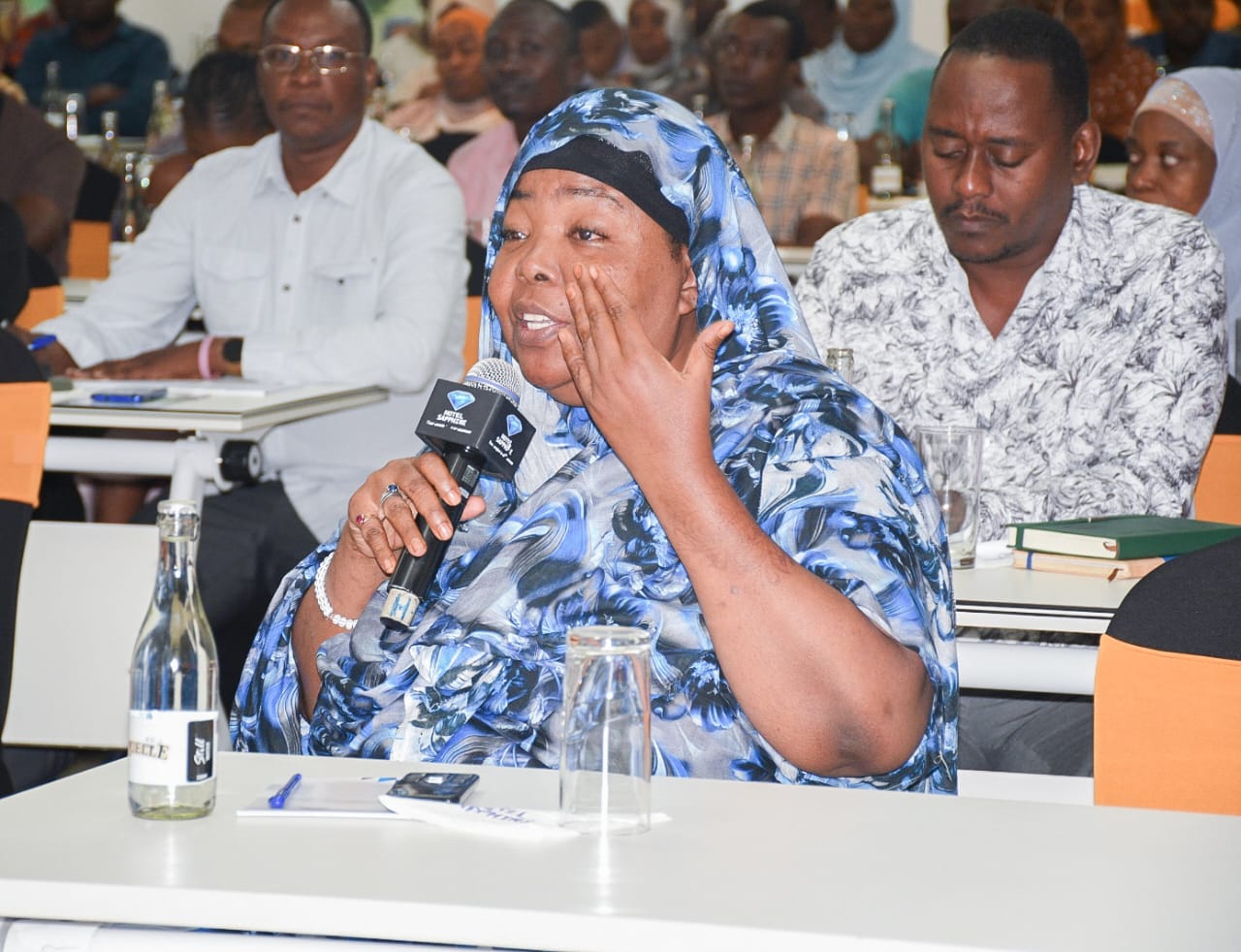

The State Department for Investment Promotion (SDIP) has concluded a week-long nationwide stakeholder engagement exercise on the proposed amendments to the County Licensing (Uniform Procedures) Act, 2024, marking another significant step towards simplifying business licensing, accelerating investment approvals and creating a more predictable business environment across Kenya.
The regional consultations brought together county governments, the Council of Governors, private sector representatives, business membership organizations, investors and development partners across 10 regional blocks held in Machakos, Mombasa, Malindi, Kisii, Isiolo, West Pokot, Nakuru, Kilifi, Eldoret, Nyeri and Kisumu.
The forums were convened to collect stakeholder views on proposed amendments to the Act following implementation of the County Licensing (Uniform Procedures) Act, 2024 and the subsequent County Licensing (Uniform Procedures) Regulations, 2025, which revealed areas requiring refinement to improve implementation, eliminate emerging bottlenecks and align the law with practical realities experienced by county governments and the business community.
The amendments seek to strengthen a nationwide legal framework by promoting greater transparency, consistency, efficiency, accountability and digitalization of County licensing processes while making it easier for businesses to start, operate, expand and comply with regulatory requirements.
The proposed reforms build on the gains already made under the County Licensing (Uniform Procedures) Act, which requires all 47 county governments to harmonize their licensing frameworks by adopting uniform application procedures, standardized licensing requirements and digital e-licensing systems that provide for ease of doing business and attract investments leading to job creation.
The reforms address longstanding challenges where businesses operating in different Counties are subjected to varying documentation requirements, multiple inspections, duplicated licences, inconsistent fees and unpredictable approval timelines.
A key proposal under the amendments is the introduction of one operating licence for businesses, replacing the current practice where enterprises often obtain multiple County licences to undertake related business activities. The reforms also seek to establish an Integrated Single Application Window through the Kenya Investment Single Window (KISW), enabling investors to submit a single online application and receive all required government approvals through one digital platform, instead of independently engaging multiple agencies.
The integrated system is expected to significantly reduce the cost and time of doing business by allowing investors to register businesses, obtain tax identification numbers, secure permits and access trade facilitation services through a single digital gateway. Once fully operational, applicants will be able to receive their County operating licences within 28 days after submitting complete online applications, consistent with the statutory timelines established under the Act.
Recent milestones in developing the Kenya Investment Single Window (KISW) include the successful technical integration between the Business Registration Service (BRS) and KISW; alignment of tax registration processes with the Kenya Revenue Authority (KRA); integration with Kenya Power to facilitate utility service connections for investors; and interoperability workshops involving government institutions. These initiatives are laying the foundation for a fully integrated digital investment ecosystem that reduces transaction costs, improves transparency, streamlines government service delivery and accelerates investor onboarding.
In his speech during the Coast Regional Stakeholder Forum in Mombasa, and also read across all venues, the Principal Secretary for Investment Promotion Abubakar Hassan Abubakar, CBS, said the consultations reflect the Government's commitment to creating an enabling business environment that supports enterprise growth and positions Kenya as Africa's preferred investment destination.
“Despite significant progress in regulatory reforms, businesses continue to face multiple licensing requirements, inconsistent procedures, varying documentation requirements, repeated inspections and delays in service delivery, all of which increase the cost of doing business, particularly for Micro, Small and Medium Enterprises (MSMEs)”, he stated emphasizing that:
"The proposed amendments seek to strengthen the legal framework by promoting greater transparency, consistency, efficiency, accountability and digitalization of county licensing processes. Ultimately, our goal is to make it easier for businesses to start, operate, expand and comply with regulatory requirements across all Counties," he said.
The Principal Secretary emphasized that the reforms are not intended to diminish the constitutional mandate of County Governments but rather to establish common procedures that improve service delivery while preserving Counties' autonomy over their licensing mandates and revenue measures.
He further noted that “simplifying and harmonizing County licensing procedures is a strategic investment in Kenya's competitiveness, investor confidence, job creation and long-term economic transformation under the Bottom-Up Economic Transformation Agenda (BETA)”.
Stakeholders across the country welcomed the consultative approach and submitted recommendations aimed at strengthening the legislation, enhancing implementation and ensuring the reforms respond to the needs of businesses. The State Department confirmed that all submissions will be carefully documented, analysed and considered before the final Amendment Bill is submitted for legislation.
The envisaged reforms will advance a modern, transparent and digitally enabled investment facilitation framework. This will reduce administrative barriers, lowers compliance costs and offers investors a seamless and predictable experience regardless of where they choose to invest in Kenya.