Invest in Kenya


Science, Technology, and Innovation (STI) is very key in raising investment across all the sectors, the following programmes are being implemented:


Kenya Jobs and Economic Transformation (KJET) is 5-year Government of Kenya project funded by the World Bank (2024-2029). The project development objective (PDO) is ‘To increase private sector investments, access to markets and sustainable finance to create and improve jobs’. The project targets to create and improve productivity of select MSME clusters based on priority value chains envisioned under the Bottom-Up Economic Transformation Agenda benefit at least 45,000 Kenyans, including at least 6,800 women through new or improved job opportunities.

Business Environment and Export Enhancing Programme (BEEEP) is a European Union (EU) funded project that seeks to improve processing, value addition, and information access with the aim of boosting Kenya’s exports and supporting the government in creating a conducive business environment.

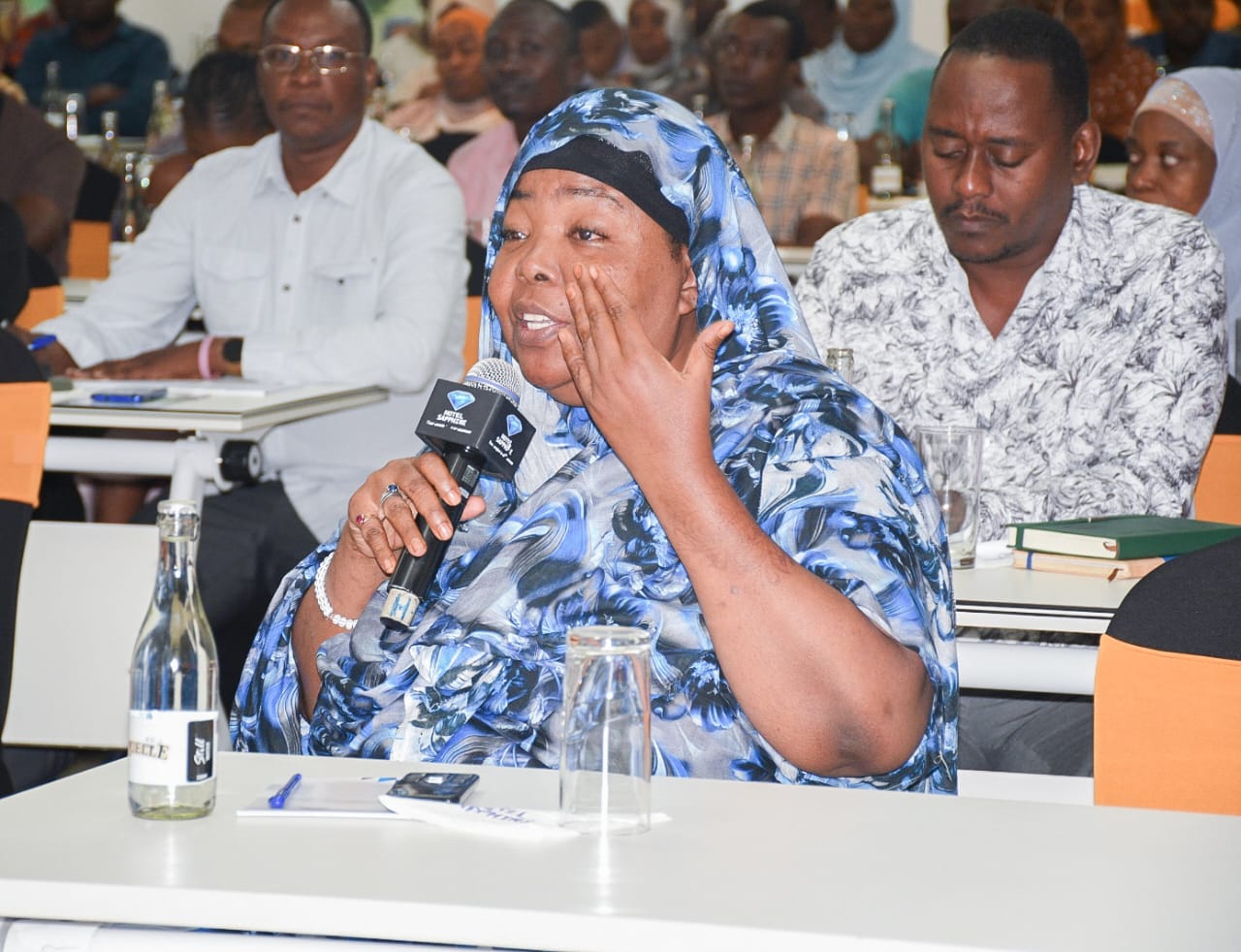
State Department for Investment Promotion Engages Stakeholders Nationwide to Strengthen County Licensing Framework and Improve Ease of Doing Business
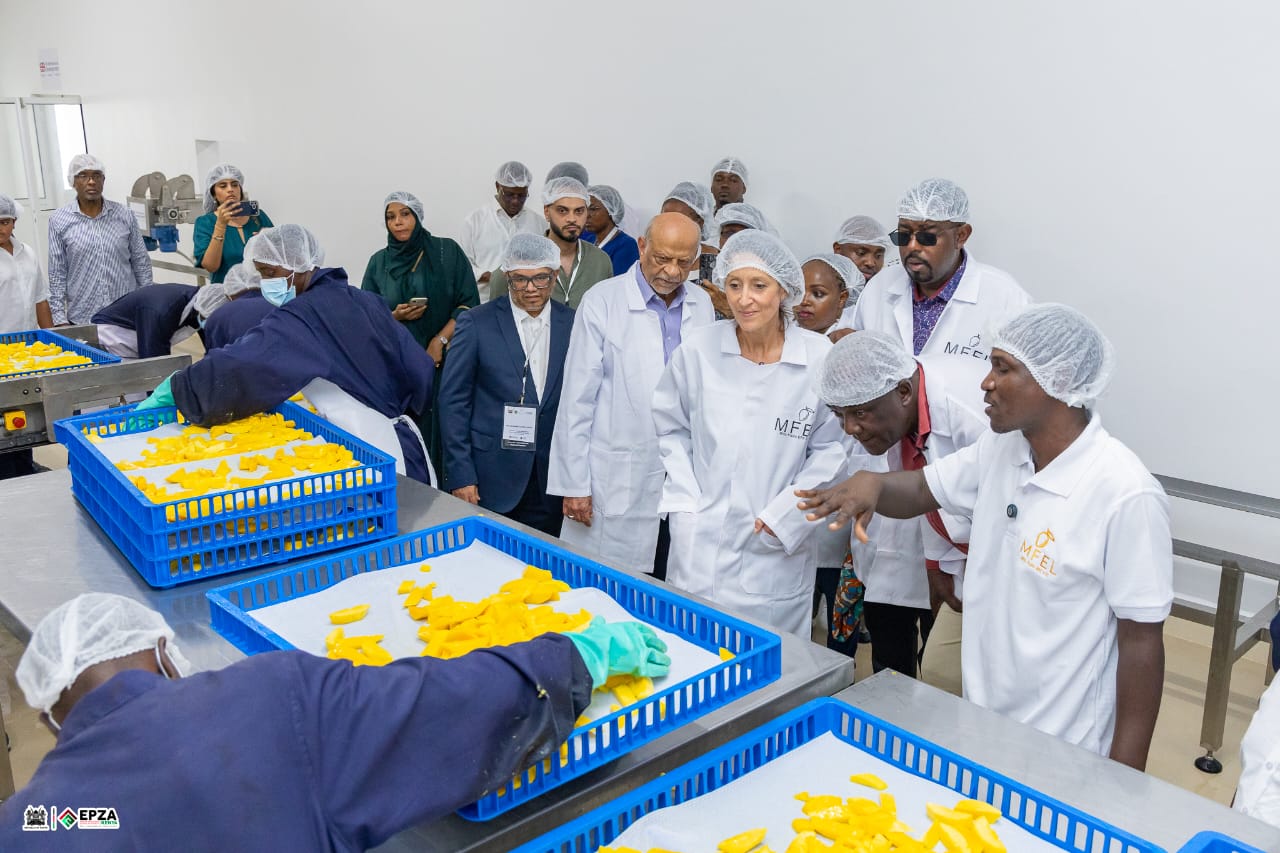
Kilifi County Leads in EPZ Programme as KSh250 Million Fruit Processing Plant Opens New Markets for Farmers
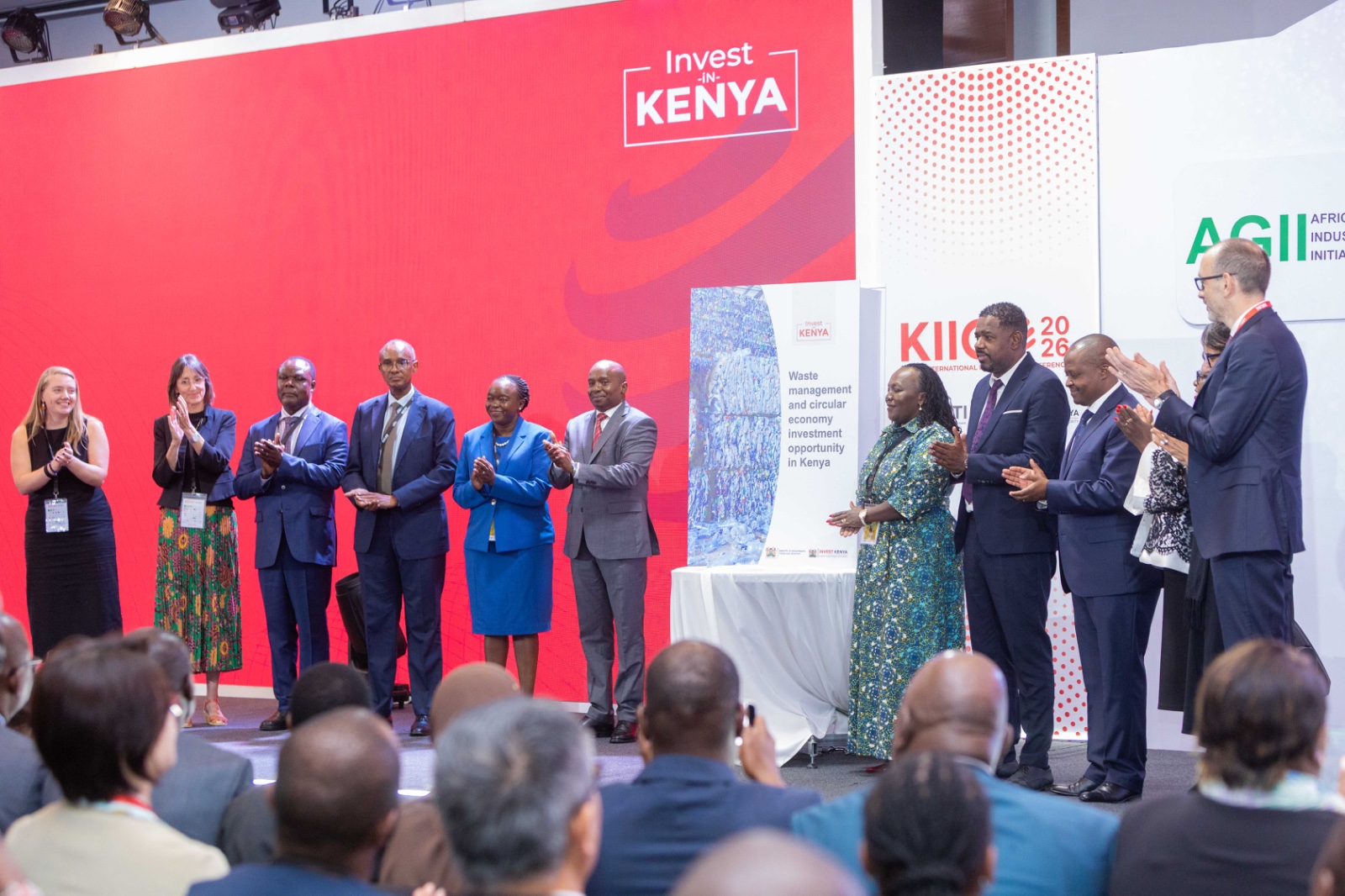
KIICO 2026 Advances Kenya’s Green Industrialization Agenda
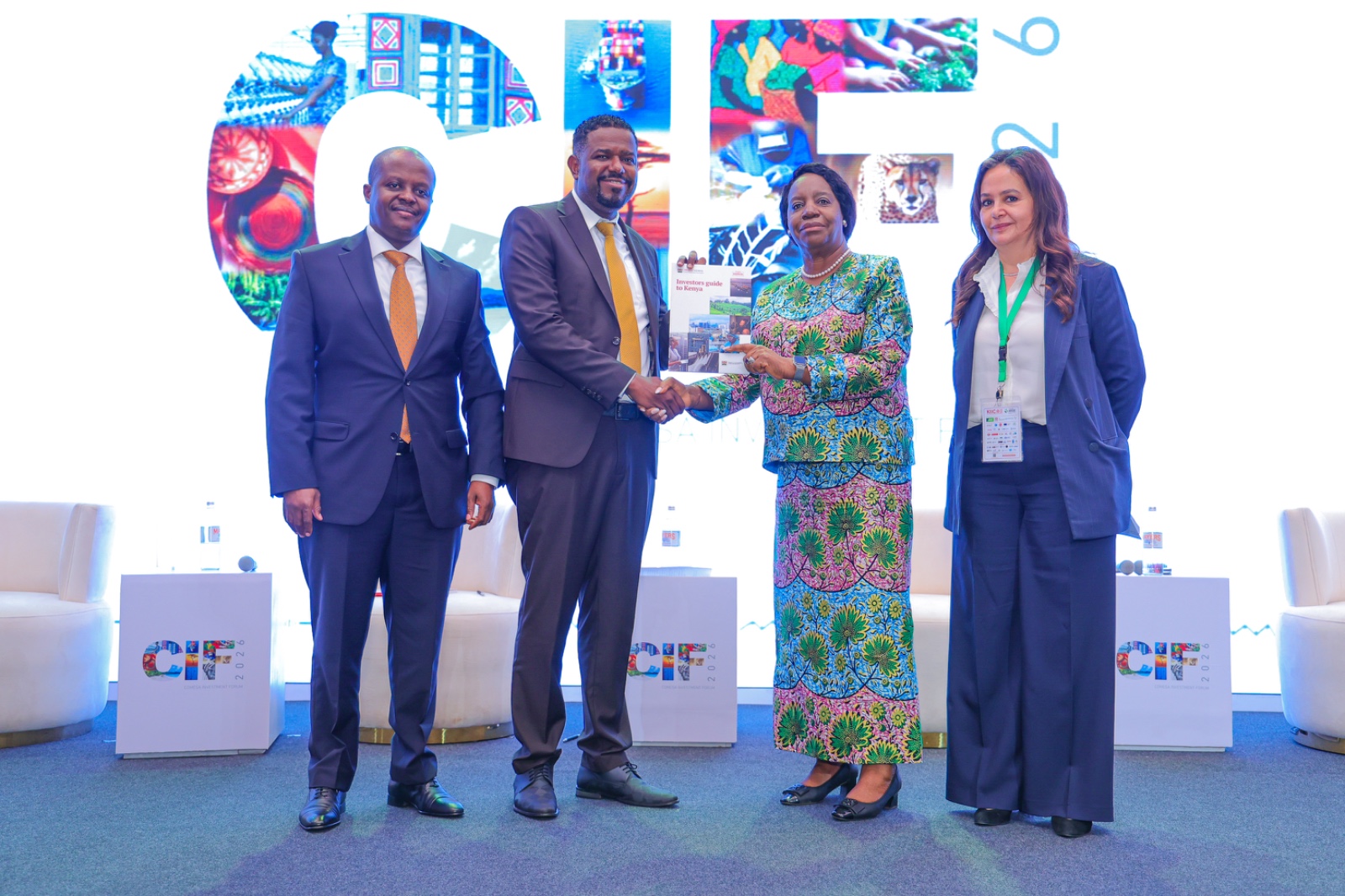
COMESA Investment Forum at KIICO 2026 Drives Push for Integrated Regional Market and Investment Growth

The State Department for Investment Promotion, in partnership with the World Bank and major pension sector players, today convened a high-level dialogue on the establishment of the Green Investment Fund (GIF). The meeting, chaired by Principal Secretary Abubakar Hassan Abubakar, brought together key institutional investors including the Central Bank of Kenya (CBK) Pension Fund and the Public Service Superannuation Fund (PSSF).

The State Department for Investment Promotion, in partnership with the World Bank and major pension sector players, today convened a high-level dialogue on the establishment of the Green Investment Fund (GIF). The meeting, chaired by Principal Secretary Abubakar Hassan Abubakar, brought together key institutional investors including the Central Bank of Kenya (CBK) Pension Fund and the Public Service Superannuation Fund (PSSF).

